Antioxidants and Cellular Processes
Understanding compounds that support cellular protection and health
The Science of Oxidative Stress
Cellular metabolism naturally produces byproducts called reactive oxygen species (ROS). In normal physiological conditions, the body maintains balance through internal antioxidant systems including enzymes like superoxide dismutase and catalase.
Antioxidant Compounds from Food
Certain plant-derived compounds provide additional antioxidant support. These include flavonoids found in berries and chocolate, polyphenols in tea and coffee, carotenoids in orange vegetables, and various other phytochemicals.
Dietary Sources
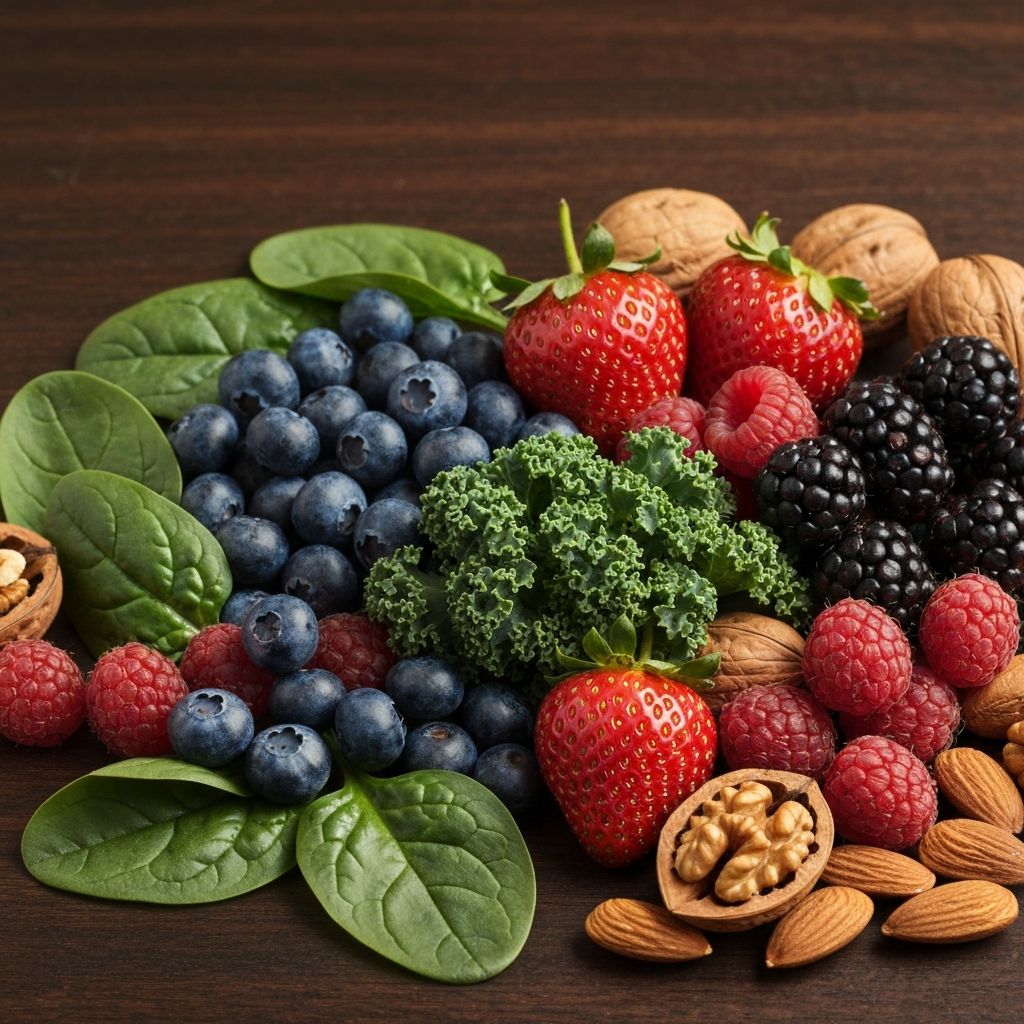
Berries, dark leafy greens, nuts, seeds, and legumes are particularly rich in these compounds. The variety and concentration vary by specific food, harvest time, and preparation method.
Common Antioxidant Compounds
Flavonoids
Found in berries, apples, tea, and chocolate. These compounds have been extensively studied for their potential role in supporting cellular health.
Carotenoids
Including beta-carotene and lycopene, found in orange and red vegetables like carrots, tomatoes, and sweet potatoes. Provide Vitamin A precursor function.
Polyphenols
Present in coffee, tea, grapes, and nuts. Represent one of the most abundant class of antioxidant compounds in the human diet.
Antioxidants in Context
While dietary antioxidants are frequently discussed, it's important to understand that the body's endogenous antioxidant systems are the primary regulators of oxidative balance. Dietary antioxidants are supplementary.
The relationship between dietary antioxidants and specific health outcomes remains an area of active nutritional research. Rather than viewing antioxidants as singular solutions, consider them as components of a nutrient-dense diet incorporating varied whole foods.